What I actually recommend to my own students — practice gear, method books, and saxophones.
As an Amazon Associate, Thomas Hornig earns from qualifying purchases.

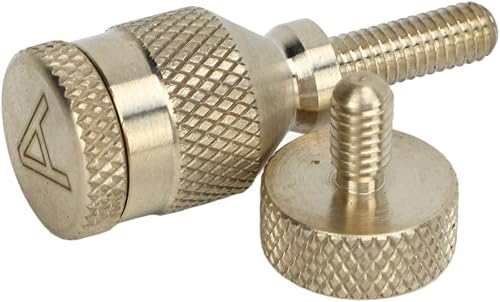

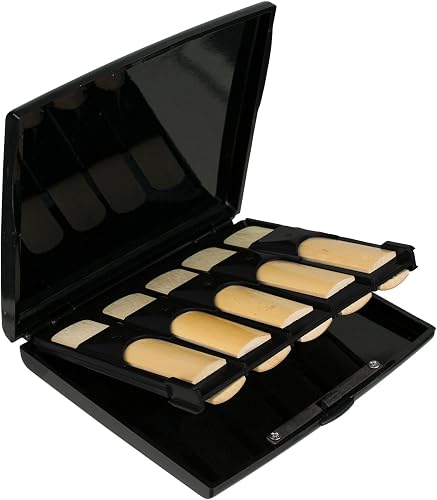


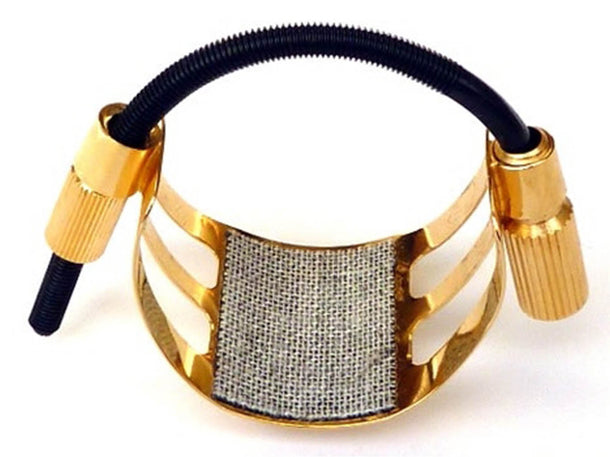


Prices shown as of last check — always confirm current price on Amazon.
A stand is not a substitute for a case. Never leave a saxophone unattended on a stand — not on stage, not even in a private practice room. Anyone can walk in, bump it, and it can hit the floor. When you leave the room, the horn goes in its case.
If I had to rank them: Boston Sax Shop is a 10, and it's not close — nothing lasts longer. Ligaphone and Gonzalez are both a 9. Vandoren's Traditional ("blue box") deserves a mention too — it's excellent on the right mouthpiece, especially the Selmer Concept, even though it didn't make my top three. (I left Vandoren's V16 reeds off this list, but they're great as well.)

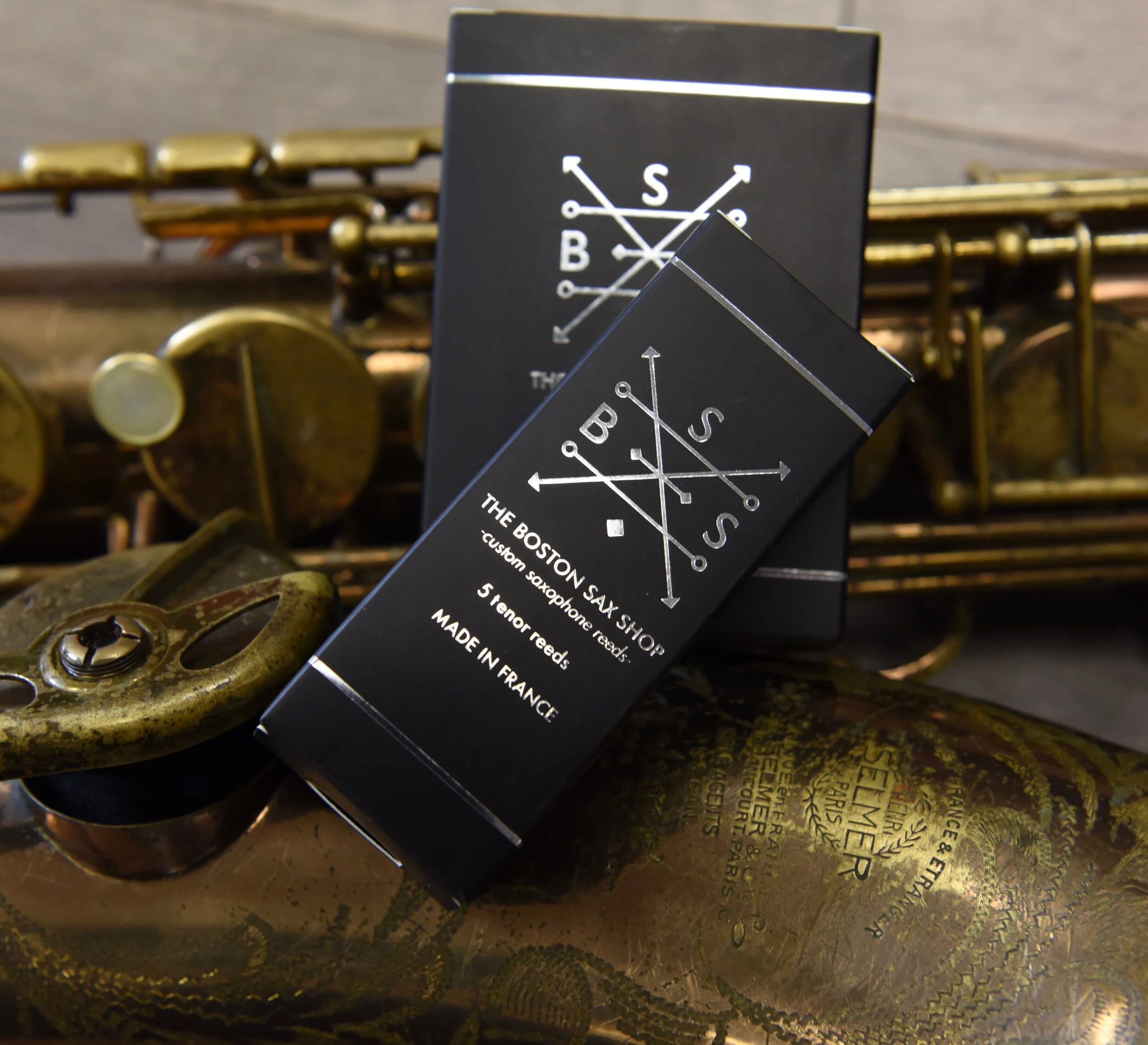
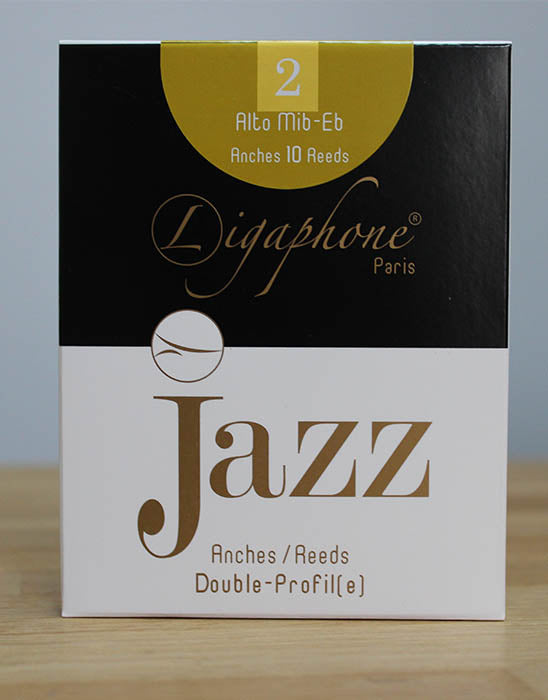
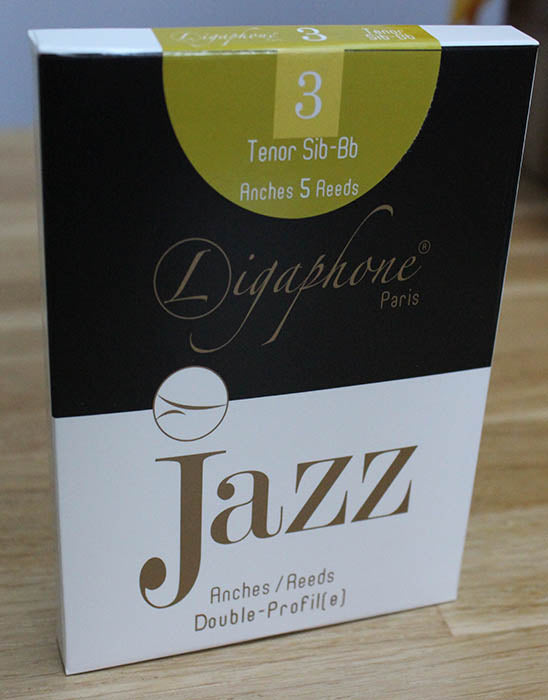
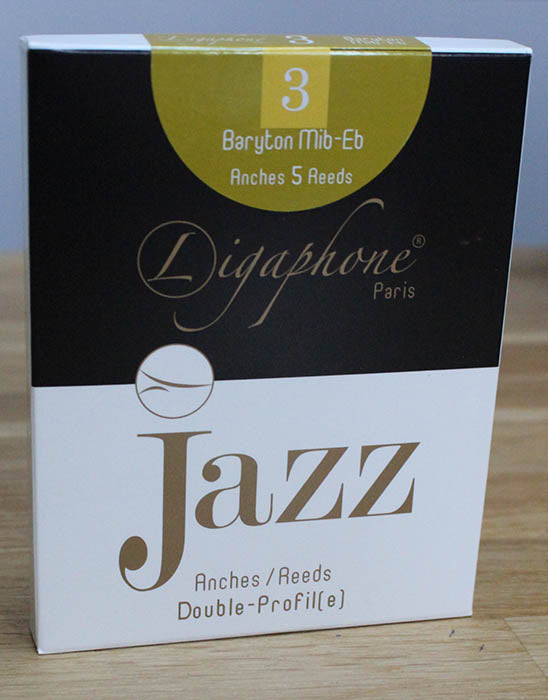
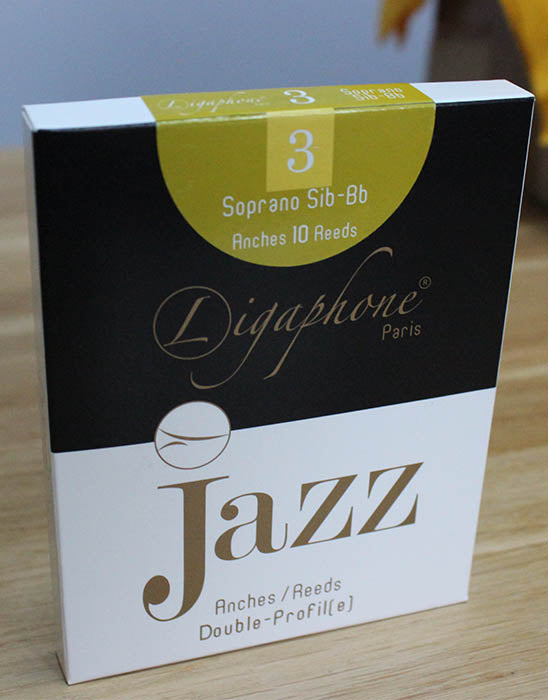
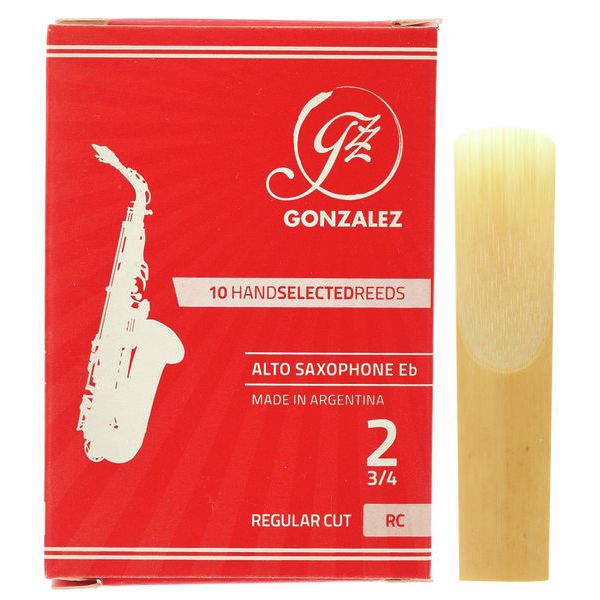


Prices shown as of last check — always confirm current price on the vendor's site.


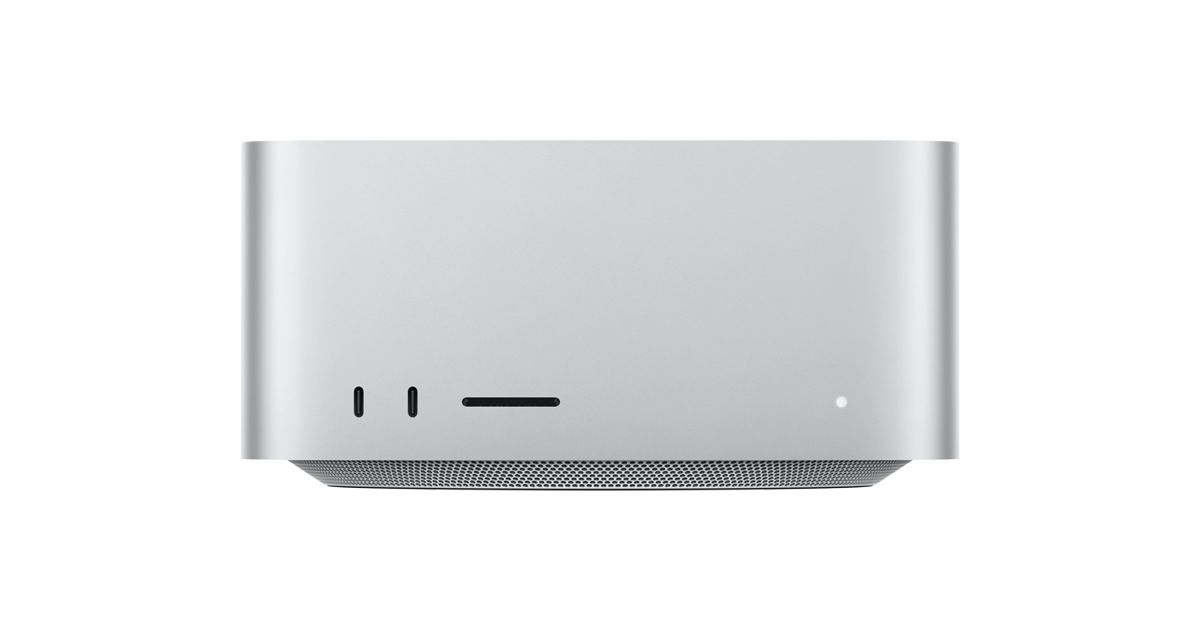


Prices shown as of last check — always confirm current price on Amazon.



All Selmer saxophone mouthpieces ↗
Selmer reeds ↗
Selmer necks (bocals) ↗ — I've personally flown from Beirut to Paris just to try different necks. There's nothing like a Selmer neck.
I've been a customer since 1986. The shop's founder, Michel — a distinguished luthier who spent 25 years as a repairman at Selmer — has since retired, but his team carries on the same standard. I once brought in a 1962 Mark VI for a pad job and they couldn't believe the condition of it. In all my years, Michel remains the best repairman I've ever worked with. It's a small shop, but if you want a Selmer, this is where to go.
A tip for travelers: if you buy there and you're flying out of France, ask about the remise (in-store discount) and the détaxe (the VAT refund available to non-EU visitors when you pay by credit card) — you stamp a form at customs at the airport. Rates and thresholds change, so confirm the current terms with the shop and French customs directly.
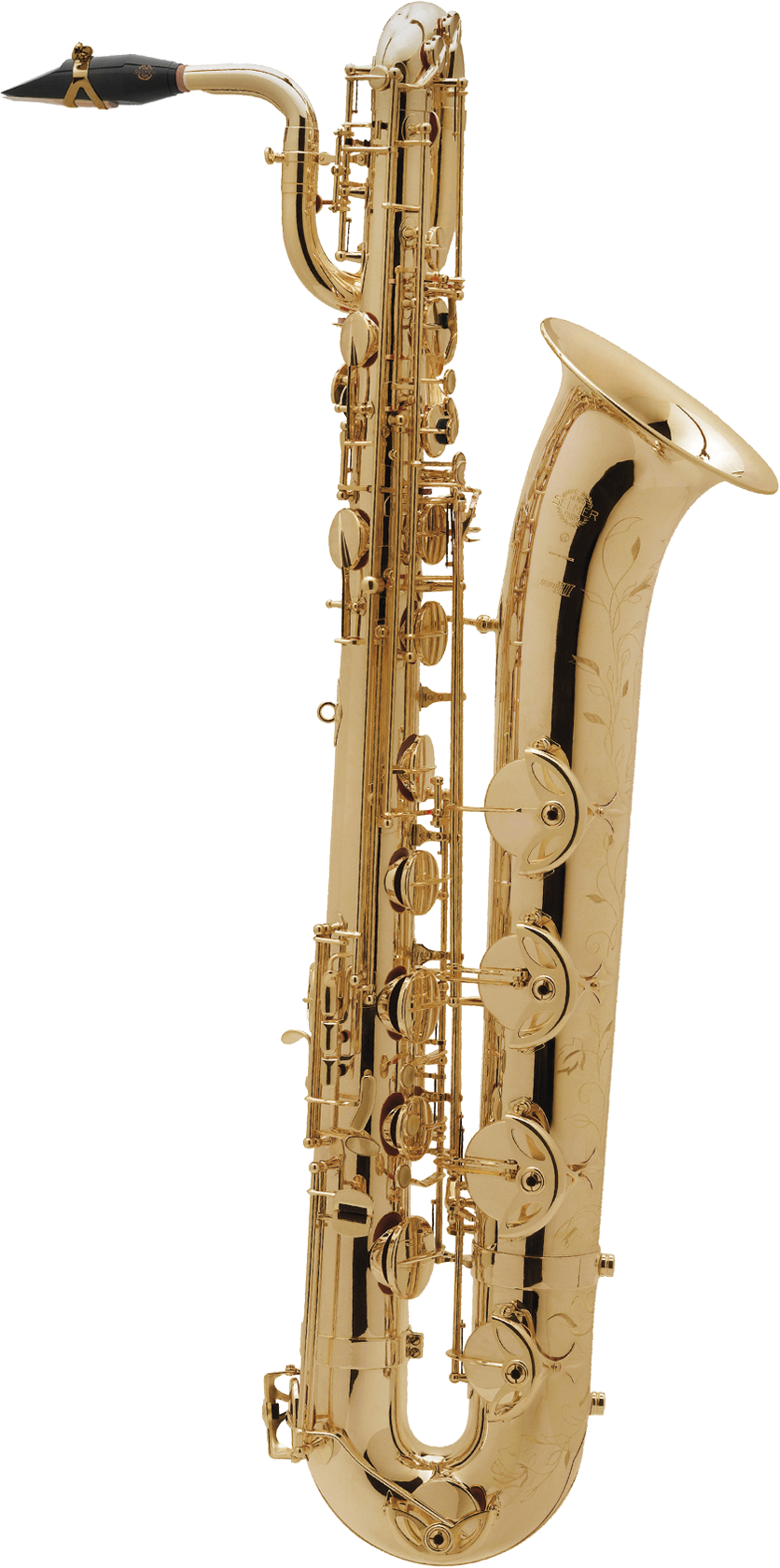
You can pick these up over time, use this app to work the scales on them, and get good enough to sit in a big band — a lot of the music written for saxophonists assumes you can cover all three. Get good enough and you can gig on them, which is common.
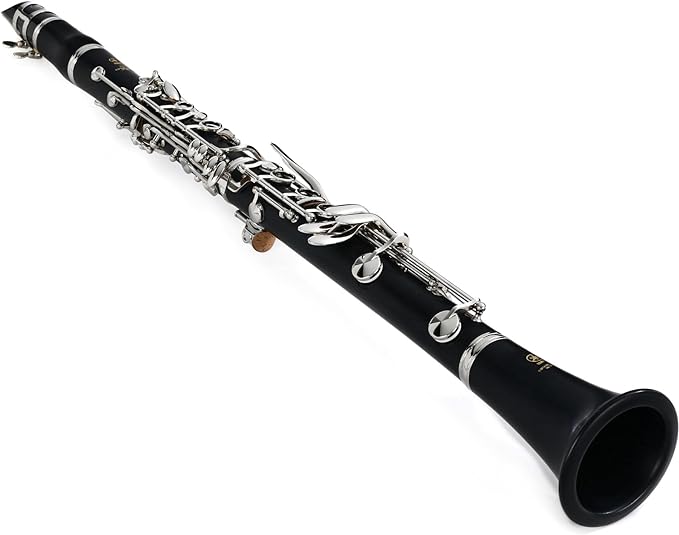


Prices shown as of last check — always confirm current price on Amazon.
Both of my flutes and my tenor now have tailor-made gold-plated pads from Jim Schmidt at JS Engineering — often called "Schmidt pads," not silicone. Mine were custom-fit directly by Jim himself, before MusicMedic started carrying the line. My alto has kangaroo-leather RooPads from MusicMedic. All of it was installed here in Beirut by Krikor, who did an incredible job — I believe I'm the first player in the Middle East to have Schmidt pads installed, and I'm proud of that. My soprano is currently being fitted for a set too. The difference is real: the horn feels evenly free-blowing across the whole range, with noticeably more power, and — the part that matters most touring between climates — it holds up through Beirut's humidity and altitude swings between my studio and a venue, which used to affect reeds and pads alike.
JS Engineering — Gold Flute Pads ↗
JS Engineering — Gold Sax Pads ↗
MusicMedic — RooPad Extreme Sets ↗
I've tried Sennheiser, Shure, AKG, and others — the SM58 Beta is a great option, but if you want to feel safe and get that sound, this is it. I house them in a Pelican case I picked up at B&H Photo in New York years ago — rock solid, cheap, and it'll outlast you.


Prices shown as of last check — always confirm current price on Amazon.
It's an expensive piece of gear, so to protect it while traveling I picked up a lightweight SKB rack case, and it's held up amazingly.


Prices shown as of last check — always confirm current price on Amazon.
Do your work on the computer, AirDrop it straight to the iPad if you have a Mac, and use an app called forScore — suddenly you don't need a light on your stand, you don't need to print anything, and you can edit music right in rehearsal. I recommend the 13-inch. Get an Apple Pencil with it — well worth it.


Prices shown as of last check — always confirm current price on Amazon. A protective case recommendation is coming — Tom is sending the link.
The books that come up again and again in a serious studio.


Prices shown as of last check — always confirm current price on Amazon.
The Whole Horn plays the twelve major scales in your instrument's own written pitch, with tempo control — free.
Get the app →Thomas Hornig — Henri Selmer Paris artist and Professor of Saxophone at the Lebanese National Higher Conservatory of Music, after thirty-two years of teaching. These are the things he recommends to his own students.
No. The links are search links rather than endorsements of one exact listing, and they point you to the category so you can choose within it. As an Amazon Associate, Thomas Hornig earns from qualifying purchases.
Reeds that suit the stage the player is at, and the practice gear that makes daily work possible. This page separates the student budget options from the professional setup for exactly that reason.
Yes — there is a section on picking up clarinet and flute as a doubler, alongside pads, recording equipment and reading sheet music on an iPad.


